
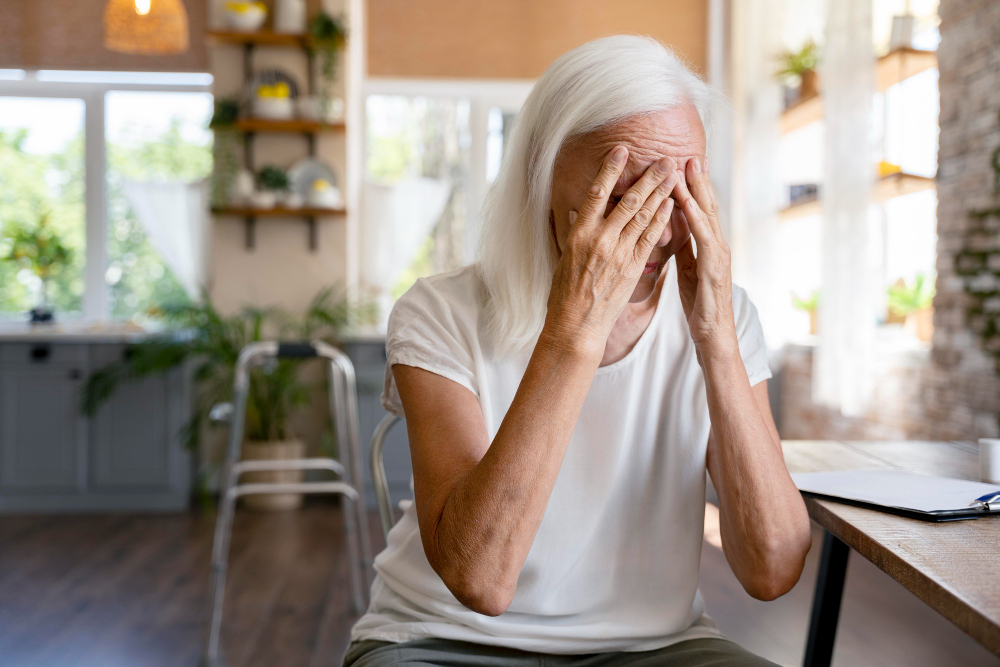
What Is Neuropathic Pain?
Neuropathic pain is a type of pain caused by damage or problems in the nerves. Unlike regular pain, it does not come from an injury or inflammation. Instead, it happens when nerves send wrong signals to the brain. Because of this, people may feel pain even when there is no clear reason. In the United States, many people live with neuropathic pain. For this reason, understanding neuropathic pain management is important for better quality of life.
Common Symptoms
Neuropathic pain can feel different for each person. However, some symptoms are more common. For example, you may notice:
Sometimes, the pain can come and go. Other times, it may last all day. Because symptoms can change, it is important to track them and share details with your doctor.
Causes and Risk Factors
There are many causes of neuropathic pain. Some of the most common include:
Additionally, certain risk factors can make neuropathic pain more likely. For instance, older adults and people with long-term illnesses are at higher risk. Also, people who drink too much alcohol or have vitamin deficiencies may develop nerve pain.
Diagnosis
Doctors use several steps to diagnose neuropathic pain. First, they ask about your symptoms and medical history. Next, they may do a physical exam. Sometimes, tests like blood work, nerve studies, or imaging scans help find the cause. Because nerve pain can look like other problems, a careful diagnosis is important. Early diagnosis can help with better neuropathic pain management.
Treatment Options
Treatment for neuropathic pain often uses a mix of methods. While medicines are common, other options can help too. Some treatments include:
Because each person is different, your doctor will suggest the best treatment for you. Sometimes, it takes time to find what works best. Therefore, regular follow-up is important.
Coping Strategies and Lifestyle Tips
Living with neuropathic pain can be hard. However, there are ways to cope and improve daily life. Try these tips:
Additionally, talking with friends or family can help you feel less alone. If you feel sad or anxious, let your doctor know. Mental health support is also important in neuropathic pain management.
Prevention and When to Seek Help
While not all cases can be prevented, some steps may lower your risk. For example, manage blood sugar if you have diabetes. Avoid injuries and take care of your overall health. If you notice new pain, numbness, or weakness, see a doctor soon. Early treatment can stop the pain from getting worse. If your pain is severe, or if you have trouble with daily tasks, seek help right away.
In summary, neuropathic pain can be managed with the right care and support. For the best results, work closely with your healthcare team. Consult a neurologist or pain specialist for personalized advice on managing neuropathic pain.